-
by Ronniesha Armstead
- March 26, 2026
- 0 Comments
If you have ever looked at your website and thought, “It is beautiful… so why is it not working?” you are not alone.
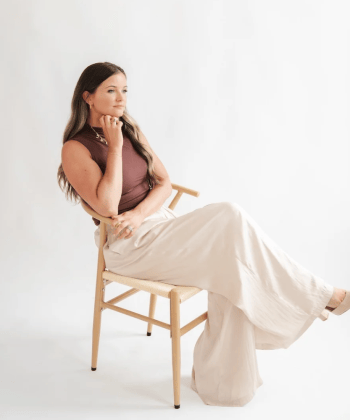
One of the biggest misconceptions in the design industry is that a visually stunning website is enough to attract and convert clients. But as web strategist Cathleen Hall of Cathleen Hall Creative shares that aesthetics alone do not drive results. Strategy does.
Let’s break down what interior designers need to understand about building a website and brand that actually works for their business.
Your Website Is Not a Portfolio It Is a Sales Tool
Many designers approach their website like a digital portfolio, a place to showcase beautiful work. While that is important, it is only one piece of the puzzle.
Your website should function as a strategic marketing asset. It should guide visitors toward taking action, communicate your value clearly, filter for your ideal client, and convert interest into inquiries.
Every element on your site, from your homepage headline to your button text, should have a purpose.
As Cathleen puts it, if it does not support your business goals, it does not belong on your website.
The Biggest Website Mistakes Designers Make
If your site is not converting, chances are it is falling into one or more of these common traps.
1. Vague Messaging
If your website could apply to any designer, it is not speaking to the right client.
Generic phrases like “We create beautiful spaces” or “We bring your vision to life” do not differentiate you or communicate value.
Instead, your messaging should clearly answer who you serve, what you specialize in, and why someone should choose you.
Specificity builds trust and attracts better fit clients.
2. Weak or Missing Calls to Action
A surprising number of design websites leave visitors wondering what to do next.
If you are not clearly guiding users to book a consultation, fill out an inquiry form, or view your services, you are losing potential leads.
Strong calls to action should be clear, visible, and intentional. They should align with your client journey and appear throughout your site.
3. No Clear Process
High end clients do not just want great design. They want clarity and confidence.
If your website does not explain how you work, what the experience looks like, and what to expect next, you are creating friction.
Outlining your process builds trust and reduces hesitation, especially for clients making a significant investment.
Strategy Over Aesthetics Even for Interior Designers
This might feel counterintuitive in a visual industry, but your website’s success comes down to how it functions, not just how it looks.
Cathleen emphasizes that every design decision should be rooted in strategy. This includes button placement, page flow, typography hierarchy, and navigation structure.
All of these elements influence how users interact with your site and whether they convert.
A beautiful website gets attention. A strategic website gets clients.
What Data Can Teach You About Your Website
One of the most powerful and underutilized tools in web design is data.
Instead of guessing what works, strategic designers analyze how users actually behave on a site. They look at where people click, how far they scroll, and where they drop off.
This insight reveals what is confusing, what is working, and what needs improvement.
There is even a famous case study often referred to as the three hundred million dollar button, where a simple change in button text dramatically increased conversions.
The takeaway is simple. Small, intentional changes can have a massive impact.
Choosing the Right Platform for Your Business
Another common question is what platform to use.
According to Cathleen, Wix is ideal for service based businesses like interior design because it offers built in tools such as CRM, email marketing, automations, and an overall user friendly experience.
Shopify is better suited for designers planning to sell physical products or scale an ecommerce shop.
The key is choosing a platform that supports your business model, not just one that looks good.
Understanding Website Investment
Let’s address the cost.
Custom website design can range anywhere from six thousand to twenty thousand dollars or more, and for many designers, that feels like a big leap.
But it is important to reframe this.
Your website is not an expense. It is an investment in your growth.
A strategic website can increase inquiry quality, improve conversion rates, save you time in your sales process, and position you at a higher price point.
Ultimately, it should pay for itself.
The Mindset Shift Designers Need to Make
Beyond strategy and tools, there is a deeper shift that needs to happen.
Stop treating your website like a side project.
Whether you are transitioning from corporate, growing your studio, or refining your brand, your website is one of your most powerful business assets.
And like any investment, it evolves over time.
Kathleen shared an important reminder for designers and entrepreneurs.
Do good work, stay consistent, and give yourself grace.
Your business and your website will continue to grow with you.
Final Thoughts
If your website is not converting, it is not because you are not talented.
It is likely because your site is not working strategically.
The good news is that this is something you can fix.
Start by asking yourself if your messaging is clear and specific, if you are guiding visitors toward action, and if every element on your site serves a purpose.
When strategy leads your design, your website stops being just a portfolio and starts becoming your most valuable marketing tool.
If you are ready to turn your website into a strategic, client-converting tool, consider working with Cathleen Hall Creative. Cathleen specializes in data-driven website design for interior designers who are ready to elevate their online presence and attract higher quality clients.